
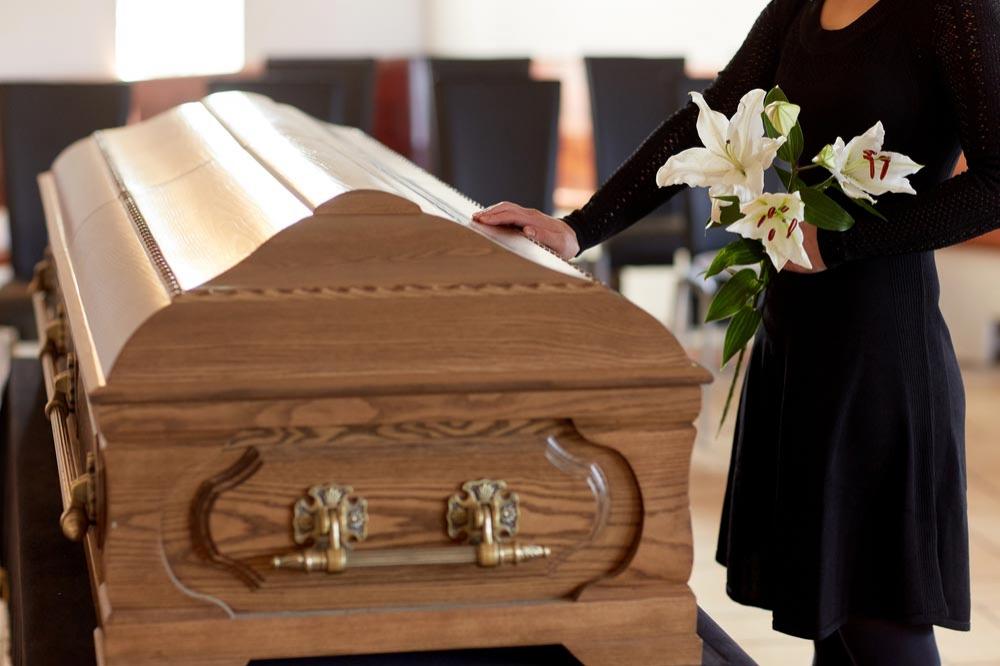
Death, though an inevitable part of life, is never easy to face. The loss of a loved one can shake us to our core, creating a profound sense of emptiness and sorrow. In such moments, funerals serve as vital rites of passage—providing an opportunity for mourning, honoring the deceased, and ultimately helping the bereaved start the difficult journey of healing. Funerals offer a moment to reflect on the fragility of life, the importance of connections, and the legacies left behind.
This article explores the multifaceted role of funerals, examining their significance not only as cultural or religious rituals but also as pivotal moments for emotional processing and social bonding.
Funerals: A Time for Reflection and Grief
When a loved one passes away, their absence creates a void that is often difficult to navigate. Funerals provide an essential space for reflection on the life lived and the legacy left behind. But more than just a space for remembrance, funerals also serve as an organized ritual that helps individuals process grief.
-
Structured Grieving: Grief, by nature, is messy and unpredictable. It can take many forms—shock, denial, sadness, and even anger. Funerals offer a structure for mourning that allows the emotional expression of grief in a safe, accepted space. Whether it’s through prayer, music, shared stories, or silence, the act of grieving in a collective setting gives the grieving person permission to express their emotions.
-
An Emotional Anchor: The funeral provides a momentary anchor in the whirlwind of emotions that follow the death of a loved one. With the many decisions to be made and the overwhelming weight of loss, funerals serve as a pause, giving the bereaved a chance to collectively say goodbye, honor the life of the departed, and seek closure. This ceremonial act can be vital for emotional healing as it provides a ritualistic way of confronting the harsh reality of death.
Honoring the Deceased: Funerals as Acts of Tribute
While funerals are primarily about supporting the grieving, they also have a significant role in honoring the life of the person who has passed. A funeral is an opportunity to recognize the individual’s contributions, achievements, and the relationships they nurtured. It is a celebration of their journey, marking the impact they had on the world.
-
Celebrating the Person’s Life: More than just mourning, funerals increasingly focus on celebrating the uniqueness of the individual. Personal stories, shared memories, and even humor can be part of the service, as loved ones recall the characteristics, passions, and idiosyncrasies that made the person who they were. For example, some families choose to display photographs, play the deceased’s favorite songs, or include personal items in the ceremony. This type of tribute helps attendees remember the individual’s legacy in a joyful way, despite the sorrow that comes with their passing.
-
Creating a Lasting Memory: Funerals allow families and friends to preserve the memory of the deceased through meaningful tributes. Whether it is through a eulogy, a visual slideshow, or the sharing of heartfelt words, these rituals create an opportunity for loved ones to communicate the lasting impact the deceased had on their lives. These collective expressions of love ensure that the deceased’s legacy endures beyond the funeral.
The Role of Rituals and Religion in Funerals
Across the globe, funerals are influenced by cultural and religious traditions that shape the way we understand death and the afterlife. These rituals offer comfort, provide structure to the grieving process, and create a collective space for honoring the deceased.
-
Christian Funerals: Many Christian funeral traditions include prayers, hymns, and scriptures from the Bible. These rituals offer comfort in the belief of an eternal life beyond death. The funeral may focus on the idea of resurrection, offering solace to the bereaved with the assurance that death is not the end but the beginning of a new spiritual journey.
-
Hindu Funerals: For Hindus, death is part of the cycle of reincarnation, and the funeral ritual is designed to ensure a smooth transition to the next life. A common practice is cremation, and the family may gather for a series of prayers and rites that honor the deceased and help guide the soul’s journey to its next incarnation. The 天主教喪禮 process focuses on the idea of liberation (moksha) and spiritual transformation.
-
Muslim Funerals: In Islam, the funeral rites emphasize humility, the belief in life after death, and the importance of prayer. The body is washed, shrouded in a simple cloth, and buried as soon as possible after death, ideally with a gathering of loved ones offering prayers for forgiveness. Funerals in Islam are also a time for community support, where the deceased’s family is surrounded by friends and loved ones offering their condolences.
-
Jewish Funerals: Jewish funeral traditions emphasize respect for the deceased through quick burial, typically within 24 hours of death. The service is often accompanied by prayers such as the Kaddish, a prayer for the soul of the deceased, and the Shema, a declaration of faith. Jewish mourning rituals, such as Shiva (the seven-day period of mourning), allow time for reflection and connection with others who share in the loss.
-
Secular and Personalized Funerals: In modern times, many people choose non-religious or secular ceremonies that reflect personal beliefs or preferences. These services often emphasize the individual’s life, their passions, and the relationships they nurtured. Whether it’s a celebration of life event or an intimate gathering at a favorite location, secular funerals are increasingly personalized to suit the values and wishes of the deceased and their family.
The Emotional Healing Process: Funerals as a Step Toward Recovery
One of the often-overlooked aspects of funerals is their role in facilitating the grieving process. The act of gathering together, sharing memories, and supporting each other is an essential part of the healing journey. While grief may not end with the funeral, the ritual provides a starting point for recovery.
-
A Community of Support: One of the most powerful aspects of funerals is the sense of community they foster. The people who gather—family, friends, coworkers—offer emotional support and validation during one of the most difficult times in life. Sharing stories, comforting each other, and being present during such a significant event can provide great emotional relief to those mourning the loss.
-
Symbolic Closure: Funerals provide symbolic closure to the immediate grieving process. By participating in a funeral or memorial service, the bereaved mark the transition from life with the deceased to life without them. This transition, though painful, is essential for moving forward with healing. Funerals symbolize the first step in this journey, offering a tangible and structured way of dealing with the reality of death.
-
The Healing Power of Ritual: The act of participating in a funeral, whether through prayer, eulogies, or rituals, can offer emotional comfort. Rituals often give us a sense of control in a situation that feels overwhelming and out of control. They also help us process grief in a community, ensuring that no one has to grieve alone.
The Changing Landscape of Funerals
In recent years, funerals have evolved to reflect changing societal values. Traditional customs are increasingly being modified or replaced with more personalized, environmentally conscious, and digital options. These shifts reflect the growing desire to make funerals more reflective of individual needs, lifestyles, and ecological concerns.
-
Eco-Friendly Funerals: The growing awareness of environmental issues has led many to seek greener funeral options. This includes eco-friendly caskets, biodegradable urns, and green burials in natural settings. Such practices not only honor the deceased but also align with a growing commitment to sustainability.
-
Digital Funerals: With the rise of digital technology, funerals are becoming more accessible, with live-streamed memorial services and virtual memorial pages where friends and family can leave messages, share photos, and remember the deceased. These services are particularly helpful for those who are unable to attend in person due to distance or other circumstances.
-
Pre-Arranged Funerals: As individuals become more proactive about their end-of-life wishes, pre-arranged funerals are becoming more popular. Planning ahead allows individuals to make decisions about their funeral service, from the type of ceremony they want to the specifics of burial or cremation, relieving loved ones of the burden of making these decisions during a time of grief.
Conclusion: Funerals as a Vital Part of the Human Experience
Funerals, while often seen as sorrowful events, are essential to the human experience. They allow us to grieve, honor the lives of the deceased, find emotional closure, and begin the process of healing. Funerals are more than just rituals—they are reflections of our values, beliefs, and love for those we have lost. As we navigate the challenging journey of grief, funerals offer a compassionate space for support, remembrance, and ultimately, the courage to move forward.