
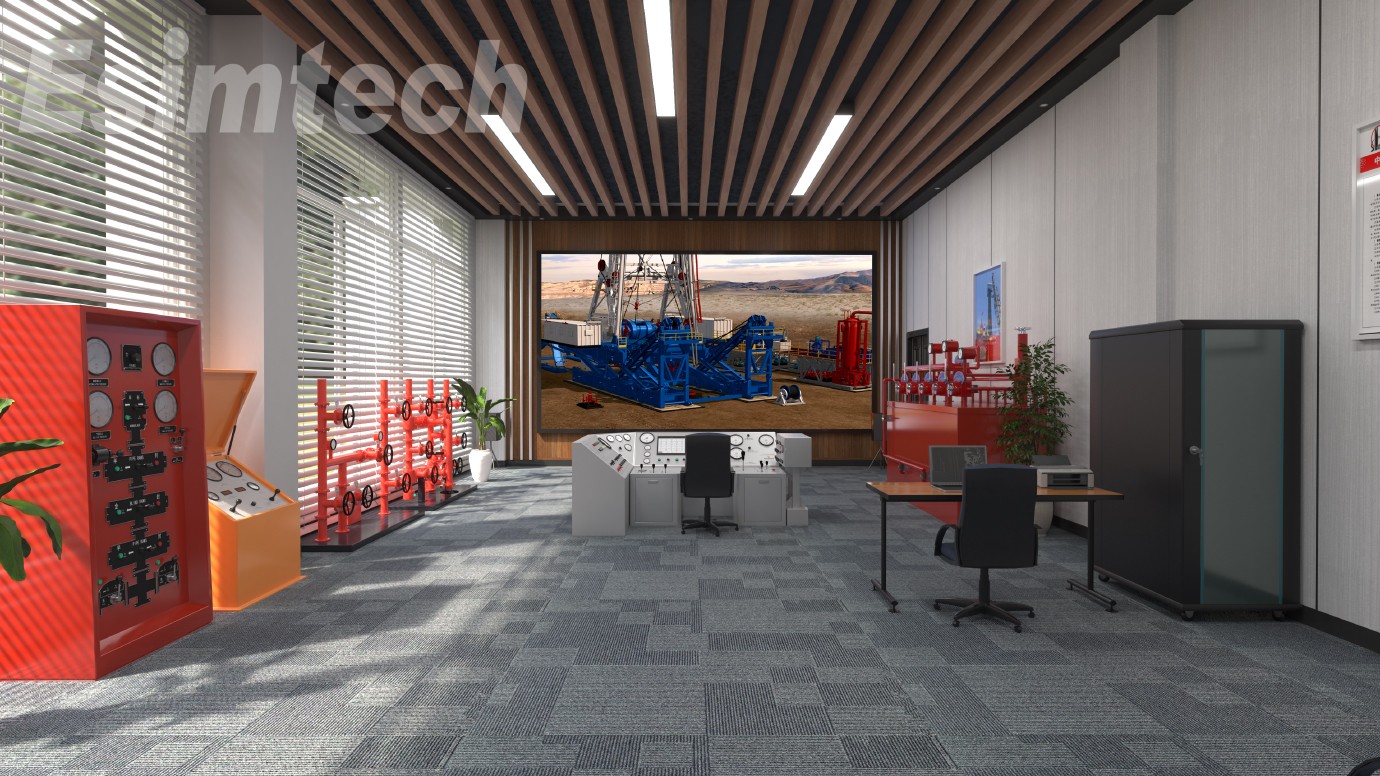
Effective simulation software must address the complex dynamics of oil and gas operations across different project phases. Exploration teams require tools that model reservoir behavior with high precision, while refining operations need simulations that optimize processing parameters and equipment performance. Logistics planners benefit from solutions that can analyze supply chain variables and transportation constraints. The ability to integrate real-time operational data transforms static models into dynamic decision-support tools that respond to changing field conditions and market demands.
Scalability remains a critical factor as operations expand or production profiles change. Software architectures that accommodate increased data volumes, additional well models, or expanded facility simulations without performance degradation provide long-term value. Accuracy standards must meet or exceed industry benchmarks, particularly for reservoir simulations where small percentage differences in recovery estimates can translate to significant financial impacts. Verification against historical operational data helps establish confidence in simulation results before applying them to new scenarios.
Integration capabilities determine how quickly and effectively new simulation tools can deliver value. Compatibility with SCADA systems, production databases, and engineering software suites reduces duplicate data entry and ensures consistency across platforms. Application programming interfaces (APIs) that allow customized data exchanges and workflow automation further enhance operational efficiency. For drilling operations, specialized tools like On Land Drilling Simulators provide focused functionality that integrates with broader asset management systems.
Leading operators prioritize simulation solutions that demonstrate proven results in similar operational environments. Benchmarking exercises comparing software outputs against actual field performance metrics help identify the most reliable tools. Vendors with extensive industry experience, such as Esimtech, often provide more relevant default parameters and preconfigured models that accelerate implementation.
Standard simulation packages frequently require adaptation to address specific operational challenges or unique asset characteristics. Customizable software architectures allow engineers to modify calculation algorithms, incorporate proprietary correlations, or implement company-specific safety factors. The ability to create custom dashboards and reports ensures that simulation outputs align with organizational reporting structures and decision-making processes.
Scenario modeling capabilities enable teams to evaluate alternative development plans, equipment configurations, or operating strategies before committing resources. Advanced solutions provide scripting interfaces that allow automation of repetitive simulation tasks or development of specialized analysis routines. For drilling operations, customizable On Land Drilling Simulators can be configured to match specific rig specifications and local geological conditions, improving training effectiveness and operational preparedness.
Industry-specific functionality reduces customization requirements by incorporating standard oil and gas calculations and regulatory requirements into base software configurations. Features like automatic decline curve analysis for reservoirs, pipe stress analysis for pipelines, or relief valve sizing for process facilities demonstrate deeper domain expertise than generic simulation tools. The most flexible solutions allow users to toggle between simplified and detailed modeling approaches depending on project requirements and available data quality.
| Customization Area | Operational Benefit | Implementation Consideration |
|---|---|---|
| Equipment Specifications | Matches actual field assets for accurate performance prediction | Requires detailed technical documentation from manufacturers |
| Fluid Properties | Ensures accurate PVT behavior for specific reservoir conditions | Needs comprehensive lab analysis of representative samples |
| Safety Parameters | Aligns with corporate risk tolerance and regulatory requirements | Demands review by HSE and engineering teams |
| Reporting Formats | Fits existing management review processes | Benefits from template libraries and style guides |
The transition to new simulation software often encounters resistance from personnel accustomed to legacy systems. Comprehensive change management programs that demonstrate clear benefits and provide adequate training smooth this transition. Phased rollouts allow teams to gradually incorporate new tools into workflows while maintaining operational continuity with familiar systems during the learning period.
Technical integration challenges frequently arise when connecting modern simulation platforms with older control systems or data historians. Middleware solutions and standardized data protocols help bridge technological gaps between systems from different generations. For companies implementing advanced solutions like those from Esimtech, working with experienced system integrators can significantly reduce implementation risks and accelerate time-to-value.
Successful implementations balance standardization across assets with flexibility for local variations. Corporate templates and best practice models ensure consistency, while allowing field-specific adjustments maintains relevance to local conditions. This approach is particularly valuable for multinational operators deploying On Land Drilling Simulators across diverse geographic regions with different regulatory requirements and operational challenges.
Performance monitoring after implementation helps quantify improvements and identify areas needing additional refinement. Key metrics might include simulation accuracy compared to actual operational results, time savings in engineering workflows, or reductions in unplanned downtime attributed to better predictive capabilities. Continuous feedback loops between software users and developers drive iterative improvements that keep simulation tools aligned with evolving business needs.