
Bhutan trekking tours are one of the most immersive ways to explore the cultural heartbeat of the Himalayas. From ancient monastery festivals to traditional mask dances, Bhutan trekking tours allow travelers to experience living heritage rather than just observing it from a distance.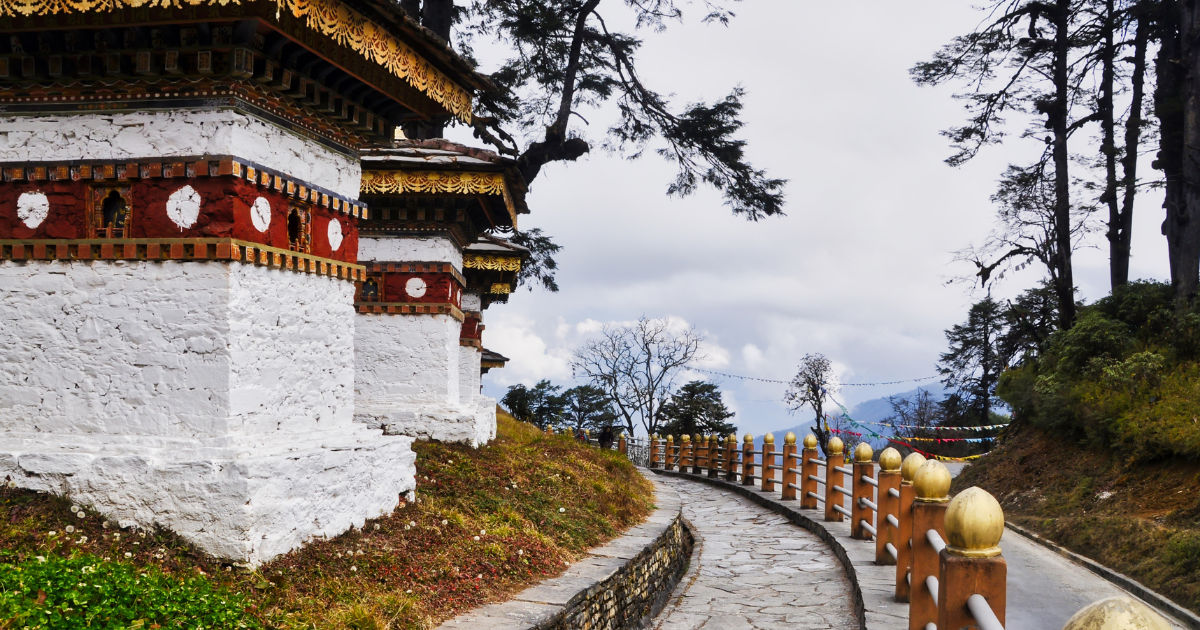
In this guide, we will explore how Bhutan festival tour packages preserve, present, and celebrate local culture in a meaningful and respectful way. Throughout the discussion, Bhutan trekking tours will be referenced as a key part of cultural immersion in Bhutan.
Introduction to Bhutan’s Cultural Identity
Bhutan is a small Himalayan kingdom known for its deep spiritual traditions, Buddhist values, and commitment to preserving culture over modernization. Unlike many travel destinations, Bhutan measures success through Gross National Happiness rather than economic growth.
Festival tours play a major role in protecting this identity. When travelers join cultural festivals through Bhutan trekking tours, they are not just tourists—they become temporary participants in centuries-old traditions.
Major cultural hubs include:
- Bhutan
- Thimphu
- Paro
- Punakha
These locations host some of the most important festivals featured in Bhutan trekking tours.
What Are Bhutan Festival Tour Packages?
Bhutan festival tour packages are specially designed travel experiences that align with traditional Bhutanese religious festivals known as Tshechus. These tours are often combined with trekking routes, monastery visits, and village stays.
A key highlight is how Bhutan trekking tours integrate hiking routes with cultural events, allowing travelers to experience both nature and tradition together.
These packages usually include:
- Guided festival visits
- Monastery tours
- Village homestays
- Scenic trekking routes
- Local cultural performances
By combining trekking with festivals, Bhutan trekking tours create a layered cultural experience that goes beyond sightseeing.
The Role of Festivals in Bhutanese Culture
Festivals in Bhutan are deeply spiritual and are usually dedicated to Guru Rinpoche (Padmasambhava), who introduced Buddhism to Bhutan.
During these festivals, monks perform masked dances, religious rituals, and storytelling performances. These are not staged for tourists—they are sacred practices passed down for generations.
When travelers join Bhutan trekking tours, they witness:
- Ritual cham dances
- Traditional music and instruments
- Religious ceremonies in monasteries
- Community gatherings in dzongs
The cultural depth experienced through Bhutan trekking tours makes these festivals more meaningful than typical cultural shows elsewhere.
How Festival Tours Preserve Local Traditions
One of the most important contributions of Bhutan festival tour packages is cultural preservation.
Supporting Living Traditions
Instead of turning culture into a museum display, Bhutan keeps traditions alive. When travelers participate through Bhutan trekking tours, local communities are encouraged to continue performing rituals authentically.
Economic Support for Communities
Tourism revenue helps fund monasteries, schools, and village development projects. Many communities depend on seasonal festivals visited during Bhutan trekking tours.
Encouraging Youth Participation
Young monks and villagers learn traditional dances and rituals, ensuring continuity. Without Bhutan trekking tours, many of these traditions might lose visibility and support.
Key Festivals Highlighted in Bhutan Tour Packages
Paro Tshechu Festival
One of the most famous festivals in Bhutan, held in Paro.
Highlights include:
- Giant Thongdrel (religious scroll) unveiling
- Masked dances by monks
- Spiritual storytelling performances
Many Bhutan trekking tours are designed around this festival due to its cultural importance.
Thimphu Tshechu Festival
Held in Thimphu, this festival is one of the largest gatherings in the country.
Visitors on Bhutan trekking tours experience:
- Large crowds of locals in traditional dress
- Ritual dances performed in monastery courtyards
- Community celebrations lasting several days
Punakha Drubchen Festival
Held in Punakha, this festival reenacts historical battles and honors Bhutanese victory over invasions.
Travelers on Bhutan trekking tours witness:
- Dramatic reenactments of historical events
- Ancient military traditions
- Spiritual ceremonies blessing the valley
How Trekking Enhances Festival Experiences
A unique feature of Bhutan tourism is the combination of trekking and cultural immersion.
Connecting Remote Villages
Many festivals take place in remote areas accessible only by foot. Bhutan trekking tours make it possible to reach these destinations while enjoying Himalayan landscapes.
Gradual Cultural Exposure
Instead of rushing into a festival, trekking allows travelers to gradually absorb Bhutanese culture through villages, monasteries, and landscapes.
Nature and Spiritual Harmony
Bhutanese culture deeply connects nature and spirituality. Hiking during Bhutan trekking tours mirrors this connection by allowing travelers to experience sacred mountains and valleys.
Cultural Elements Showcased in Festival Tours
Traditional Clothing
Locals wear gho and kira, traditional Bhutanese attire. During festivals, entire communities dress in vibrant clothing.
On Bhutan trekking tours, travelers often dress modestly to respect local customs.
Mask Dances (Cham)
Cham dances are sacred performances representing good triumphing over evil.
These dances are a central highlight of Bhutan trekking tours, offering insight into Buddhist teachings through movement and symbolism.
Local Music and Instruments
Traditional instruments include:
- Drums
- Horns
- Cymbals
Music plays a vital role in festival atmosphere, and Bhutan trekking tours allow visitors to experience these sounds in their natural cultural setting.
Community Participation in Festivals
Unlike commercial festivals, Bhutanese festivals involve entire communities.
Monks and Religious Leaders
Monks lead rituals, prayers, and performances.
Local Families
Families attend festivals as social and spiritual gatherings.
Travelers
Through Bhutan trekking tours, visitors are welcomed respectfully as observers, not disruptors.
Homestays and Cultural Exchange
Many festival tour packages include homestays in rural villages.
This allows travelers on Bhutan trekking tours to:
- Eat traditional Bhutanese meals
- Learn local customs
- Participate in daily village life
- Build personal connections with families
This form of exchange strengthens cultural understanding.
The Spiritual Meaning Behind Festivals
Bhutanese festivals are not entertainment events—they are spiritual practices.
Religious Teachings
Each dance and ritual teaches moral lessons about karma, compassion, and enlightenment.
Blessings for the Community
Festivals are believed to bring protection and prosperity to villages.
Meditation and Reflection
Even travelers on Bhutan trekking tours often describe festivals as deeply reflective experiences.
Responsible Tourism in Bhutan Festival Tours
Bhutan is known for its “high value, low impact” tourism policy.
Respecting Culture
Visitors must follow guidelines:
- Dress modestly
- Avoid disturbing rituals
- Follow photography rules
Environmental Protection
Many Bhutan trekking tours emphasize eco-friendly travel practices.
Controlled Visitor Numbers
Tourism is regulated to protect cultural integrity.
Why Bhutan Festival Tours Are Unique
Bhutan festival tours stand out because they combine:
- Spiritual depth
- Cultural authenticity
- Natural landscapes
- Community participation
Unlike typical tourism, Bhutan trekking tours are designed to create meaningful cultural understanding rather than entertainment.
Challenges in Preserving Cultural Heritage
Despite strong preservation efforts, Bhutan faces challenges:
- Modernization pressures
- Youth migration to cities
- Climate impact on remote villages
- Tourism management balance
However, Bhutan trekking tours play a supportive role in maintaining cultural visibility and economic sustainability.
The Future of Cultural Tourism in Bhutan
The future of Bhutanese tourism is focused on sustainability.
Digital Awareness
More travelers are discovering Bhutan through online platforms.
Sustainable Trekking Models
Bhutan trekking tours are evolving to reduce environmental impact.
Cultural Education
Tour operators are increasingly educating visitors about cultural respect before arrival.
Conclusion
Bhutan festival tour packages are more than travel experiences—they are cultural journeys into a deeply spiritual society that values tradition, community, and harmony with nature. Through carefully designed itineraries, these tours ensure that visitors do not simply observe culture but actively engage with it in a respectful and meaningful way.
At the heart of this experience are Bhutan trekking tours, which connect travelers to remote villages, sacred monasteries, and vibrant festival grounds. By combining trekking with festivals, Bhutan trekking tours create a bridge between nature and culture, allowing visitors to witness Bhutan’s heritage in its most authentic form.
From mask dances in Paro to historical reenactments in Punakha and grand celebrations in Thimphu, festival tours preserve living traditions while supporting local communities. They also help ensure that younger generations continue to value and practice their cultural heritage.
Ultimately, Bhutan festival tour packages highlight local culture by keeping it alive, accessible, and deeply meaningful. They transform travel into a shared human experience rooted in respect, spirituality, and cultural appreciation.