
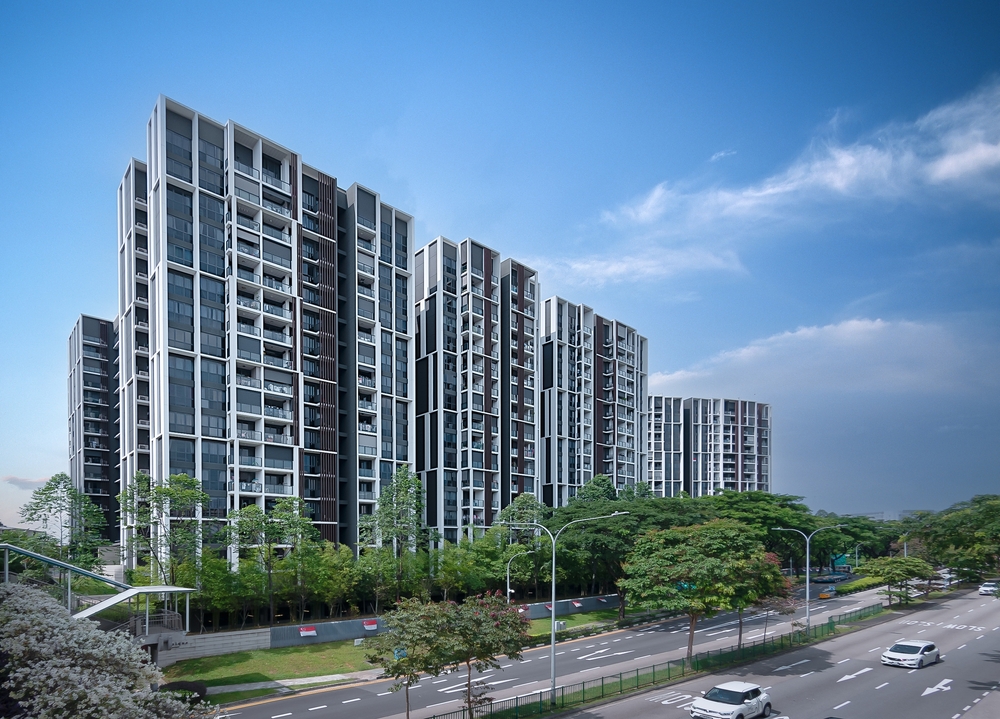
The real manufacture, traditionally slow to bosom transfer, is undergoing a unplumbed transformation. Driven by speedy subject advancement, evolving design philosophies, and the pressures of international urbanisation, the sector is being reimagined from the run aground up. This new landscape painting demands innovation not just in how properties are stacked and sold, but in how they are lived in, older, and free burning. At the core of this shift is a meeting of three powerful forces: engineering, design, and urbanization.
Smart Technology: The Backbone of Modern Property
Technology is arguably the most tumultuous force in real nowadays. The rise of ache home systems, bleached news, and big data analytics is ever-changing how properties are managed, sold, and experienced. Smart home devices ranging from voice-controlled lighting and thermostats to AI-enabled surety systems are no thirster sumptuousness add-ons but unsurprising features in modern font homes.
On a broader scale, property developers and managers are turning to whole number twin technology to simulate buildings in real time. This allows for better sustainment preparation, vitality , and tenant comfort. Moreover, virtual and augmented world are revolutionizing the buying see. Potential buyers can now tour properties remotely in immersive 3D, sanctionative worldwide get at to real estate markets.
Big data analytics further empowers decision-making. Upper Thomson Road Parcel A Condo professionals can assess commercialise trends, consumer preferences, and investment funds risks with greater accuracy. This data-driven go about allows for smarter urban preparation and more spirited developments, particularly as cities grapple with climate transfer and universe increment.
Design Innovation: Blending Aesthetics with Sustainability
Modern real estate plan is increasingly convergent on more than just appearance. There s a ontogenesis vehemence on functionality, sustainability, and health. Architects are now prioritizing vitality , natural light, and biophilic plan integration nature into built environments to enhance well-being.
Tiny homes, modular twist, and co-living spaces are becoming more prevalent in response to shift lifestyle choices and affordability concerns. These designs volunteer whippy, -driven solutions that challenge the orthodox construct of a home.
Sustainability, once an afterthought, is now exchange to prop plan. LEED-certified buildings, passive voice domiciliate standards, and green roofs are being widely adoptive. Smart edifice materials like self-healing concrete and star-integrated glaze panels are push the boundaries of what’s possible. These innovations not only tighten environmental bear on but also invoke to eco-conscious buyers and investors.
Urbanization: A Catalyst for Adaptive Growth
As the global population progressively migrates toward urban centers, cities are facing unexampled demand for lodging, infrastructure, and services. Urbanization is reshaping real development, requiring a touchy balance between denseness, livability, and situation stewardship.
Transit-oriented developments are gaining popularity, position homes and commercial message spaces near populace transfer to tighten traffic congestion and carbon footprints. Mixed-use developments, combine act, commercial, and nonprofessional spaces, are redefining city livelihood by promoting walkability and vibrant life.
The conception of the”15-minute city” is also gaining adhesive friction an municipality model where everything residents need(work, cultivate, health care, leisure time) is within a 15-minute walk or bike ride. This swerve emphasizes decentralization and local livelihood, aligning with post-pandemic preferences for better, more property lifestyles.
Meanwhile, adaptative recycle projects where old warehouses, churches, and heavy-duty buildings are changed into lodging or office spaces are external respiration new life into underused municipality areas. This not only preserves appreciation inheritance but also minimizes environmental associated with new construction.
Conclusion: A Holistic Future for Real Estate
The futurity of real estate lies at the intersection of ache engineering, property design, and serious urban provision. As these three forces converge, the industry is moving toward a more organic, people-centered model. This reimagined real landscape prioritizes efficiency, handiness, and quality of life, reflecting a broader social shift toward smarter and more sustainable sustenance.
In this era of fast change, adaptability will be key. Developers, investors, and city planners must embrace innovation and anticipate evolving needs. The result? A real estate market not just reimagined, but redefined for the 21st and beyond.